Net zero is a buzzword everywhere and for quite good reason. Uk is aiming to hit net zero carbon emissions by 2050, that means the construction industry is under some great pressure to step up their sustainability game. With buildings responsible for nearly 40% of global carbon emissions, it’s time to rethink how homes are built, designed and powered.
For developers, architects, and builders, the task is both urgent and clear: to create homes that go beyond energy efficiency and are genuinely future-proof. That’s where SAP needs to be discussed – a crucial framework that’s changing the way the UK approaches sustainable home design, construction, and certification.
So, what exactly is SAP and how is it helping us bridge the gap between modern building practices and net zero goals? Let’s get into it.
SAP or Standard Assessment Procedure is the UK government’s official methodology for evaluating the energy efficiency and performance of new residential buildings. Developed by the Building Research Establishment (BRE), SAP is like a comprehensive calculator that evaluates home’s energy consumption & carbon emissions by analyzing factors like insulation, heating systems, ventilation, and renewable energy integration. It is like a “green checklist” that ensures a building’s compliance with Part L of the Building Regulations (Conservation of Fuel and Power).
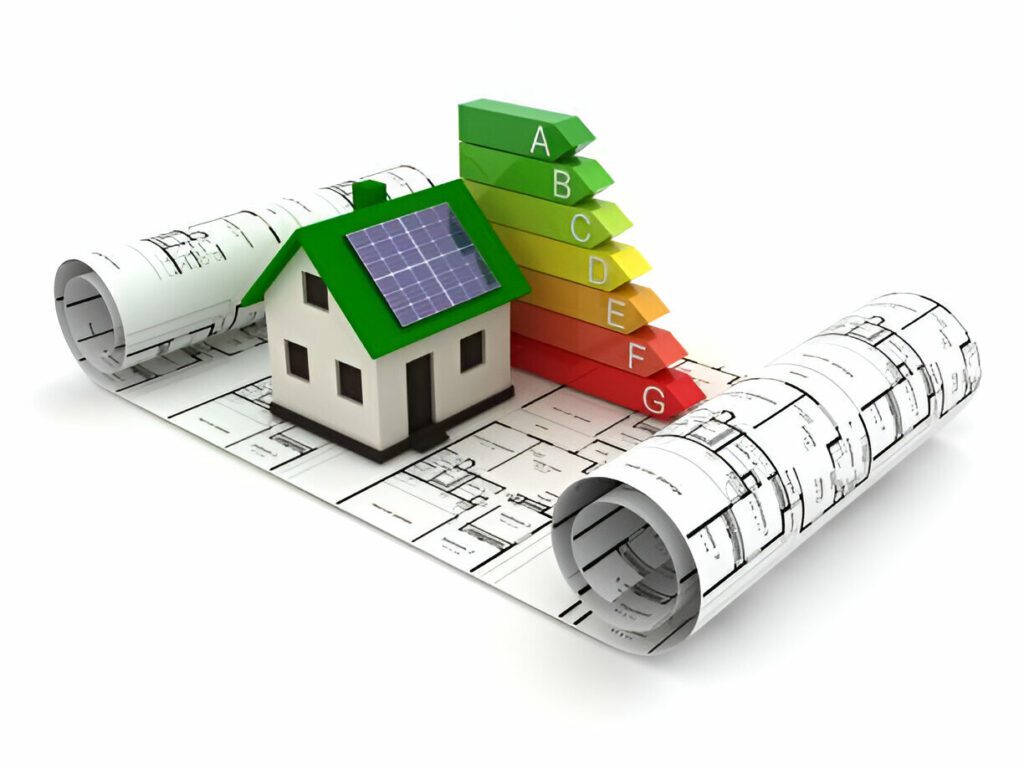
SAP generates a score between 1 and 100 – the higher the score, the more energy efficient the property is. But the rating is not just a number. It determines a building’s Energy Performance Certificate (EPC), legally required for selling and renting in UK.
The term ‘net zero’ refers to achieving a balance between carbon emissions a building produces and emissions it removes from the atmosphere. For new constructions, this involves two key strategies:
Net zero isn’t a “nice-to-have”—it’s a business must. Firms that adapt now avoid fines, meet buyer demands, and future-proof their projects. Plus, it’s a chance to lead in a market hungry for sustainable, low-carbon homes .
SAP acts as a roadmap to net zero by guiding design choices, ensuring compliance, and promoting renewable energy adoption. Here’s how:
SAP uses an advanced software to simulate building’s energy performance during the planning phase. By analyzing insulation, heating systems, and glazing, it predicts annual energy consumption and carbon output. For example:
Heating makes up 37% of UK household emissions (CCC, 2023). SAP rewards builders for using renewable systems like:
District heating networks
These systems reduce fossil fuel reliance and align with the Boiler Upgrade Scheme , which offers grants up to £7,500 for heat pump installations.
SAP rewards homes that generate their own energy. Solar panels, for instance, can offset grid use, lowering emissions and bills. Homes with solar + battery storage even achieve negative carbon emissions during sunny months.
SAP follows the “fabric-first approach ,” which means it prioritizes insulation, airtightness, and minimizing thermal bridging. A well-insulated home retains heat, which means you don’t need to rely as much on energy-guzzling heating systems.Case Study : A Manchester developer used SAP to optimize wall insulation, cutting heating demand by 25% and boosting their SAP score from 82 to 90.
SAP makes sure projects meet tightening regulations like the Future Homes Standard 2025 (requiring 75-80% lower emissions) and Part L updates. A Leeds developer avoided £50k in redesign costs by using SAP to flag insulation gaps early.
SAP isn’t just about ticking boxes—it changes the way we build. By focusing on low-carbon heating, energy-efficient design, and renewables, it turns net zero from a goal into something real. Developers who use SAP now can future-proof their projects, meet the growing buyer demand for sustainable homes, and stay ahead of regulations.
As the UK accelerates toward 2050, SAP will evolve to address emerging challenges:
Retrofitting with SAP : RdSAP (Reduced Data SAP) will be expanded to improve existing homes. This is crucial for the 19 million UK properties that need energy-efficient retrofits (CCC, 2023).
In UK’s journey to net zero, SAP is not just rules; it’s a powerful tool for positive change- it’s a catalyst for innovation, profitability and planetary responsibility. It is helping us to build homes and buildings that are not just energy efficient and cost effective, but also truly sustainable.
For everyone involved – homeowners, builders, designers, government – SAP is essential for moving towards Net Zero. Let’s use it, understand it, and build a future where energy-efficient, Net Zero buildings are the norm, not just a dream.
Are you ready to make SAP calculations a key part of your next building projet & achieve net zero goal? Contact us today and let’s start building green together.