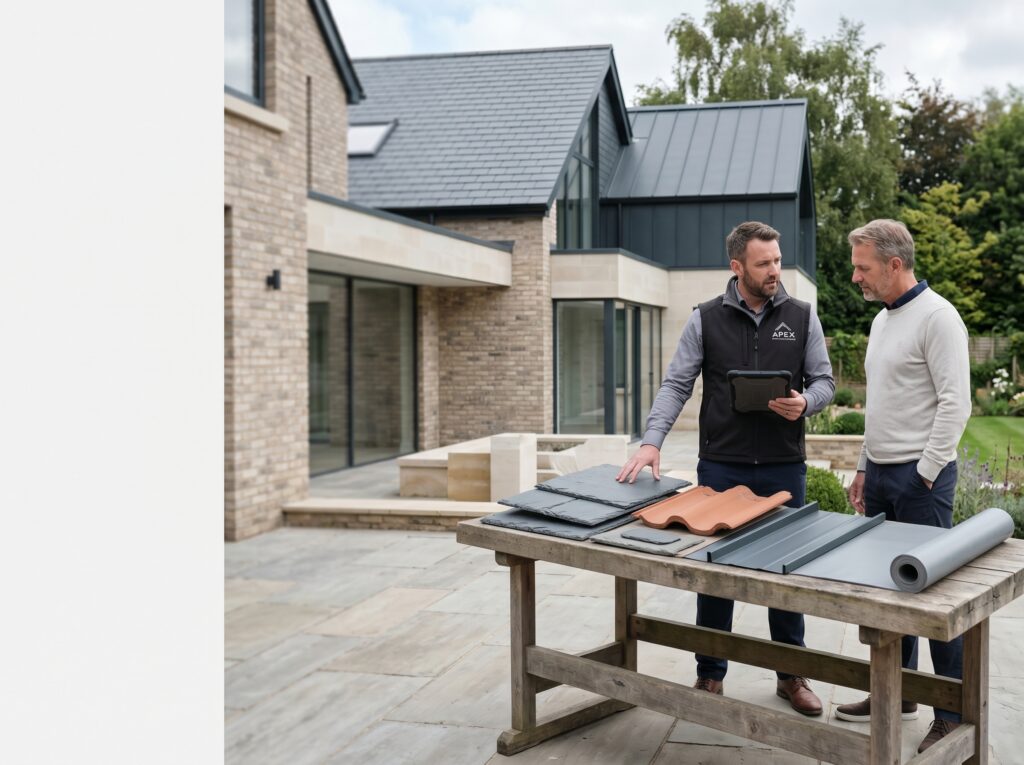
Choosing the right roofing material for your property is one of the most important decisions you’ll make as a homeowner or business owner. Your roof doesn’t just protect you from the elements; it also affects your building’s energy efficiency, aesthetic appeal, and overall value. With so many options available, it’s essential to understand the advantages and disadvantages of each roofing material to ensure you make the best choice for your property.
In this comprehensive guide, we’ll explore the most common roofing materials used in the UK, their benefits, costs, and what type of property they’re best suited for. Whether you’re building a new property, replacing your current roof, or renovating an existing structure, understanding your options will help you make an informed decision. Let’s dive into the world of roofing materials and find the perfect fit for your property.
Why Choosing the Right Roofing Material is Crucial
Your roof is a significant investment, and its material plays a crucial role in its durability, energy efficiency, and protection against the weather. The UK climate can be unpredictable, with rain, wind, snow, and extreme temperatures, so selecting a roofing material that can withstand these elements is essential. In addition to weatherproofing, roofing materials contribute to the overall aesthetic and energy efficiency of your home or business.
When considering roofing materials, think about:
- Durability and lifespan: How long will the material last under UK weather conditions?
- Energy efficiency: Does the material help regulate temperature and reduce energy costs?
- Aesthetic appeal: Does the material complement your property’s style?
- Cost: What is your budget for the roofing project?
1. Asphalt Shingles
Asphalt shingles are one of the most popular roofing materials in the UK, known for their affordability and versatility. They come in a wide range of styles and colours, making them a great choice for homeowners looking for a cost-effective option that still provides reliable protection.
Pros:
- Affordable: Asphalt shingles are one of the most budget-friendly roofing materials available.
- Variety of styles: Available in different colours and styles, including traditional, architectural, and modern.
- Easy to install: They are lightweight and relatively simple to install, which can reduce labour costs.
- Durability: Can last 15-30 years with proper maintenance.
Cons:
- Less durable in extreme weather: While they perform well in the UK’s mild climate, asphalt shingles may not hold up as well in extreme conditions such as heavy winds or hail.
- Limited lifespan: Asphalt shingles have a shorter lifespan compared to other materials like slate or metal.
2. Slate Roofing
Slate is a premium roofing material that has been used for centuries and remains a popular choice in the UK, particularly for traditional homes and buildings. Known for its beauty and durability, slate roofing offers a long-lasting solution for those willing to invest in a high-quality roof.
Pros:
- Exceptional durability: Slate roofs can last over 100 years with minimal maintenance, making them one of the longest-lasting roofing materials.
- Fire-resistant: Slate is a naturally fire-resistant material, providing added protection for your property.
- Aesthetic appeal: Slate is highly regarded for its timeless, elegant appearance and is available in a range of natural colours.
Cons:
- Cost: Slate roofing is significantly more expensive than asphalt or tile roofing, both in terms of material and installation costs.
- Heavy: Slate is a heavy material, requiring strong support structures, which can increase installation costs.
- Fragility: While durable, slate tiles can crack or break if walked on, making maintenance more challenging.
3. Clay Tiles
Clay tiles are a classic roofing material that is commonly used in Mediterranean-style homes. Their rich colour and unique texture make them a popular choice for homeowners looking to achieve a traditional or rustic look.
Pros:
- Durable and long-lasting: Clay tiles can last up to 50 years or more with proper care.
- Energy efficient: Clay tiles have natural insulating properties, helping to keep your home cooler in summer and warmer in winter.
- Aesthetic value: Clay tiles are available in a variety of colours and shapes, offering a unique and stylish look.
Cons:
- Heavy: Like slate, clay tiles are heavy and require additional support during installation.
- Cost: The initial cost of clay tiles is higher than other materials, though their long lifespan makes them a good investment in the long run.
- Prone to cracking: In extreme weather conditions, clay tiles can crack, which may require replacement.
4. Metal Roofing
Metal roofing is becoming increasingly popular in the UK due to its modern appearance, energy efficiency, and durability. Metal roofs are made from a variety of metals, including steel, aluminium, and copper, each offering its own unique benefits.
Pros:
- Longevity: Metal roofs can last 40-70 years, depending on the material.
- Energy-efficient: Metal reflects heat, which can help lower energy bills by reducing the need for cooling during summer months.
- Lightweight and durable: Metal roofs are lightweight yet highly durable, able to withstand strong winds and heavy rain.
- Low maintenance: Metal roofs require minimal maintenance compared to other materials.
Cons:
- Cost: Metal roofing tends to be more expensive than asphalt shingles or tiles.
- Noise: Metal roofs can be noisy during heavy rain or hailstorms unless properly insulated.
- Denting: While durable, metal roofs can be prone to denting, especially if made from softer metals.
5. Flat Roofing (EPDM, TPO, PVC)
Flat roofing is often used for commercial buildings, but it is also a viable option for residential properties with modern architectural designs. The most common types of flat roofing materials are EPDM (Ethylene Propylene Diene Monomer), TPO (Thermoplastic Olefin), and PVC (Polyvinyl Chloride).
Pros:
- Cost-effective: Flat roofs are generally cheaper to install than pitched roofs.
- Space-saving: The flat design allows for additional space, such as roof terraces or rooftop gardens.
- Durable: Modern flat roofing materials are highly durable and can withstand harsh weather conditions.
Cons:
- Limited lifespan: Flat roofs typically have a shorter lifespan than pitched roofs, especially if not properly maintained.
- Water pooling: If the flat roof doesn’t have proper drainage, water can pool and cause leaks or damage.
- Maintenance: Flat roofs require regular inspections to ensure proper drainage and avoid issues like leaks or moss growth.
Comparison Table of Roofing Materials
| Roofing Material | Durability | Cost | Energy Efficiency | Aesthetic Appeal | Maintenance | Lifespan |
| Asphalt Shingles | Moderate | Low | Moderate | Varied | Low | 15-30 years |
| Slate Roofing | Excellent | High | Moderate | Timeless | Moderate | 100+ years |
| Clay Tiles | High | High | Good | Traditional | Moderate | 50+ years |
| Metal Roofing | Excellent | High | Excellent | Modern | Low | 40-70 years |
| Flat Roofing | Moderate | Low to Medium | Good | Modern | High | 10-30 years |
6. Other Roofing Materials to Consider
While the roofing materials mentioned above are the most common in the UK, other options may be suitable depending on your specific needs and the design of your property. For example:
- Wooden Shingles and Shakes: Provide a rustic, natural look, but require more maintenance and may not be suitable for all areas due to fire risk.
- Green Roofs: Increasingly popular for their sustainability benefits, green roofs provide insulation and reduce stormwater runoff, but they require a substantial upfront investment and ongoing maintenance.
Conclusion: Choose the Best Roofing Material for Your Property
Choosing the right roofing material for your property is essential for ensuring long-term protection, energy efficiency, and aesthetic appeal. Whether you’re considering asphalt shingles, slate, metal roofing, or flat roofing solutions, each material has its own advantages and challenges. By carefully considering your property’s needs, budget, and long-term goals, you can make an informed decision that will benefit your home or business for years to come.
At Armeec, we offer expert advice on all roofing options, ensuring you choose the material that best suits your needs. Our experienced team can provide professional installation, maintenance, and repair services, helping you protect your property with a durable and attractive roof.
Ready to get started? Contact us today for a consultation, and let’s find the perfect roofing solution for your property.
FAQs
- What is the most durable roofing material for UK properties?
Slate and metal roofing are the most durable materials, with lifespans of over 100 years for slate and 40-70 years for metal. - Which roofing material is the most cost-effective?
Asphalt shingles are the most affordable roofing option in the UK, offering good protection at a lower price. - How long does a metal roof last?
A metal roof can last between 40 and 70 years, depending on the material and maintenance. - What is the best roofing material for energy efficiency?
Metal roofing is the best for energy efficiency, reflecting heat and reducing cooling costs during the summer. - Can a flat roof be a good option for residential buildings?
Yes, flat roofs are increasingly popular for residential properties, especially modern homes. They offer extra space and can be cost-effective. - How often should I inspect my roof?
It’s recommended to inspect your roof at least once a year and after major weather events to prevent potential damage. - Are clay tiles suitable for all types of properties?
- Clay tiles are ideal for traditional and Mediterranean-style homes but may not be suitable for all modern structures due to their weight and cost.